Concrete application focus
Rotary hammers, bits, anchors, and dust control are organized around base material and installation sequence.
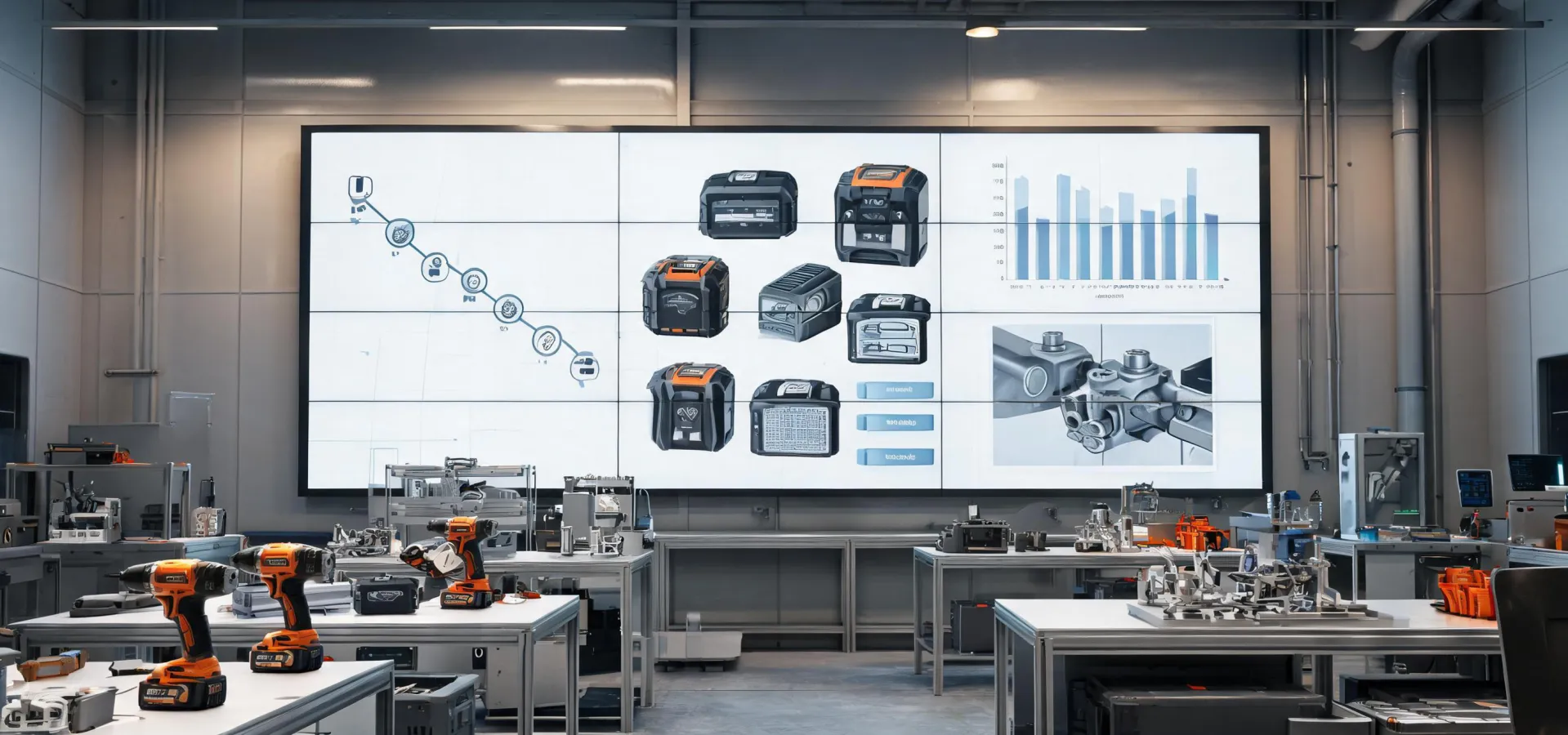
Hilti is presented here as an innovation-led hardware tools brand for professional crews that need product systems to behave like coordinated infrastructure. The story centers on power tools, hand tools, anchors, pneumatic support, and digital workflows working in the same project language.
The Hilti direction is not described as a simple catalog expansion. It is a practical roadmap for how a contractor evaluates hardware tools: cordless output, brushless motor control, fastening repeatability, asset visibility, battery availability, dust control, and field service routing. By treating those areas as one system, Hilti can help project teams reduce tool mismatch, clarify installation notes, and keep support conversations close to the work package.
That approach matters because professional buyers rarely purchase a rotary hammer, anchor family, or pneumatic fastening tool in isolation. They buy the ability to drill the correct hole, clean it properly, install the specified fastener, document the work, recover quickly from tool downtime, and repeat the same process across crews who may not share the same level of experience.
Each milestone focuses on an operating capability a professional customer can feel in daily work: more predictable drilling, clearer fastening choices, better tool accountability, and support that follows the project instead of stopping at the transaction.
Rotary hammers, bits, anchors, and dust control are organized around base material and installation sequence.
Battery planning becomes a fleet decision, connecting tool class, charger placement, and crew rotation.
Engineering notes, fastening requirements, and product families are translated into clearer project records.
Repair and replacement routing is tied to asset tags, critical tools, and site schedule pressure.
Hilti works in the space between engineering teams, distributors, service desks, and professional trades. The partner grid below uses simple blocks instead of decorative badges, because the page is about the roles that make a coordinated tool system possible.
Share the trade mix, base materials, current tool platform, repair expectations, and any fastening documentation requirements. The response can focus on what changes workflow quality, not just which item appears in the catalog.